3850 W Greenway Rd, STE 100 Phoenix, AZ 85053


Many Deer Valley residents brush twice a day and still leave their dental appointments hearing the same thing: tartar buildup. If you’ve ever wondered why your toothbrush can’t remove tartar, you’re not alone. The answer comes down to basic biology — and understanding it can genuinely change how you think about your oral health. At Valley Smiles, Dr. Ryan Towner helps patients understand exactly what’s happening in their mouths and why professional help matters.
What Is Tartar and Why Can’t You Brush It Away?
Tartar — also called calculus — starts as plaque. Plaque is a soft, sticky film of bacteria that forms on your teeth every single day. When you brush and floss regularly, you remove most of that plaque before it causes problems.
The problem begins when plaque isn’t fully removed. Within 24 to 72 hours, minerals from your saliva bond with that plaque. It hardens into tartar — a substance that sticks firmly to your enamel.
Once tartar hardens, no toothbrush can dislodge it. It bonds too tightly to the tooth surface. Even electric toothbrushes and specialty bristles can’t break it apart. Only dental instruments used by a trained professional can safely remove it without damaging your teeth.
Where Tartar Hides in Deer Valley Patients’ Mouths
Tartar doesn’t build up randomly. It tends to collect in predictable spots that are hardest to clean at home. Knowing these areas helps you understand why home care has real limits.
Common areas where tartar accumulates include:
- Along the gumline — especially on the inside of your lower front teeth
- Between teeth where floss doesn’t always reach completely
- In deep pockets around the gums where gum disease may already be developing
- Around dental appliances, crowns, or bridges
- On the back surfaces of molars that are difficult to see or reach
Many patients are surprised to learn how much buildup exists in areas they thought they were cleaning well. This is not a failure of effort — it reflects the physical limitations of home tools.
What a Professional Cleaning Actually Removes That Home Care Cannot
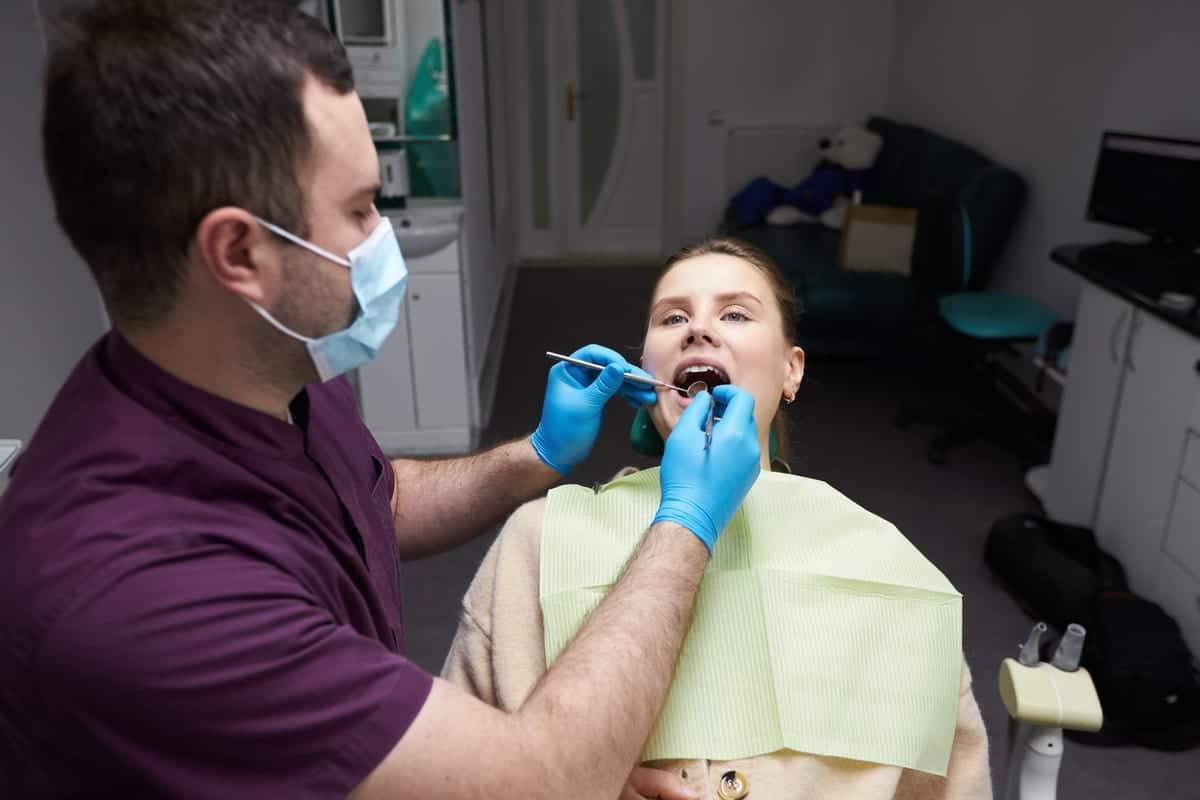
A professional teeth cleaning at Valley Smiles goes far beyond what your toothbrush can accomplish. Dr. Ryan Towner’s team uses specialized instruments called scalers to physically chip and scrape tartar from tooth surfaces. This process is called scaling.
Here’s what gets removed during a professional cleaning that home care simply cannot address:
- Hardened tartar deposits above and below the gumline
- Subgingival calculus — tartar that has formed beneath the gum tissue
- Bacterial biofilm embedded in tartar that contributes to gum inflammation
- Surface stains caused by coffee, tea, or tobacco
- Early signs of decay or gum disease that your dentist identifies during the exam
After scaling, your hygienist polishes your teeth with a gritty paste. This smooths the enamel surface and makes it harder for plaque to re-attach quickly. The result is a level of clean that home care simply cannot replicate.
The Real Risks of Letting Tartar Build Up Over Time
Leaving tartar untreated isn’t just a cosmetic concern. Tartar is porous and rough. That texture creates an ideal surface for more bacteria to cling to and multiply rapidly.
Over time, the bacteria in tartar release acids and toxins. These irritate your gum tissue, leading to gingivitis — the earliest stage of gum disease. Left untreated, gingivitis progresses to periodontitis, a condition that destroys the bone supporting your teeth.
Tartar buildup has also been linked to broader health concerns, including cardiovascular issues. The inflammation triggered by oral bacteria doesn’t always stay confined to your mouth. Regular cleanings aren’t just about your smile — they’re about your overall wellbeing.
For patients who are already noticing tooth sensitivity or cosmetic concerns from buildup and staining, Cosmetic Dentistry Deer Valley options may also help restore a brighter, healthier appearance after your cleaning.
How Often Should Deer Valley Residents Get Professional Cleanings?
Most adults benefit from professional cleanings every six months. However, some patients need more frequent visits. This depends on how quickly your body produces tartar and whether any gum disease is already present.
Patients with a history of gum disease often need cleanings every three to four months. This is called periodontal maintenance, and it keeps bacteria levels low enough to prevent further bone loss. Dr. Towner evaluates each patient individually and recommends a schedule based on your specific oral health needs.
If you’ve gone longer than a year without a cleaning, it’s especially important to schedule an appointment soon. Extended gaps between cleanings allow tartar to accumulate in deeper pockets, making the cleaning process more involved.
If you’ve developed sudden tooth pain or sensitivity alongside visible tartar buildup, don’t wait. Emergency Dentistry Deer Valley services are available at Valley Smiles to address urgent dental concerns quickly and comfortably.
What You Can Do at Home to Slow Tartar Formation
While home care can’t remove tartar once it forms, it absolutely slows down how quickly tartar develops. The goal is to remove plaque thoroughly before it has time to mineralize.
Effective home habits that reduce tartar buildup include:
- Brushing for a full two minutes, twice daily, using a soft-bristle toothbrush
- Flossing once every day — especially along the gumline
- Using an antiseptic mouthwash to reduce bacterial counts
- Drinking plenty of water throughout the day to rinse food particles away
- Limiting sugary and acidic foods that feed plaque-forming bacteria
Some toothpaste formulas are specifically designed to slow tartar formation. Look for the ADA Seal of Acceptance when choosing products. These won’t remove existing tartar, but they can meaningfully slow the rate at which it builds between appointments.
Frequently Asked Questions
Can tartar fall off on its own?
Tartar does not fall off on its own. Once it mineralizes and bonds to your enamel, it stays firmly in place until a dental professional removes it with specialized instruments. Attempting to scrape it off at home can damage your enamel and gums.
Does tartar cause bad breath?
Yes. Tartar harbors bacteria, and those bacteria produce sulfur compounds that cause persistent bad breath. Removing tartar through professional cleaning significantly reduces this type of odor. Good home hygiene between visits also helps control bacterial growth.
Is tartar removal painful?
Most patients experience only mild discomfort during a routine cleaning. If significant buildup is present or if your gums are inflamed, there may be some sensitivity. Dr. Towner’s team works gently and can apply numbing gel if needed to keep you comfortable throughout the process.
How quickly does tartar form after a cleaning?
Plaque begins forming within hours of a cleaning. Without consistent removal through brushing and flossing, it can start mineralizing into tartar within just a few days. This is why daily home care is essential even between professional appointments.
Can children get tartar buildup too?
Yes, children can develop tartar just like adults. Their risk depends on diet, brushing habits, and individual biology. Establishing regular dental visits early in childhood helps manage tartar and sets the foundation for a lifetime of good oral health.
At Valley Smiles, Dr. Ryan Towner and the team are here to help Deer Valley patients understand their oral health and take real control of it. Professional cleanings are one of the most effective tools available — and no amount of brushing can replace them. Book Now to schedule your appointment with our team.