3850 W Greenway Rd, STE 100 Phoenix, AZ 85053



If you’ve been dealing with jaw pain, clicking sounds, or headaches that won’t quit, you may have heard the term TMJ. Understanding what your TMJ evaluation actually involves — a step-by-step breakdown Phoenix patients can rely on — helps reduce anxiety before your appointment. At Valley Smiles, Dr. Ryan Towner takes a thorough, patient-centered approach to diagnosing TMJ disorders. Knowing what to expect makes the process far less intimidating.
What Is TMJ and Why Does It Need a Formal Evaluation?
TMJ stands for temporomandibular joint — the hinge connecting your jaw to your skull. When this joint becomes inflamed or misaligned, it can cause a wide range of symptoms. Many patients in Phoenix experience jaw pain, difficulty chewing, ear pressure, or even neck stiffness. These symptoms can overlap with other conditions, which is exactly why a structured evaluation matters.
A formal TMJ evaluation is not just a quick glance at your teeth. It is a multi-step diagnostic process that identifies the root cause of your discomfort. Without a proper diagnosis, treatment is little more than guesswork. Dr. Towner uses a combination of clinical examination, bite analysis, and imaging to build a complete picture of what is happening.
Getting the right diagnosis early can prevent symptoms from worsening over time. It also helps rule out other dental or medical issues that might be contributing to your pain.
Step-by-Step: What Your TMJ Evaluation Actually Involves in Phoenix
Many patients are surprised by how detailed a TMJ evaluation really is. The process typically unfolds in several distinct stages. Each step provides Dr. Towner with specific information that cannot be gathered any other way. Here is a clear breakdown of what you can expect during your appointment at Valley Smiles.
- Medical and symptom history: Dr. Towner starts by reviewing your health history and asking detailed questions about your symptoms, including when they started and what makes them better or worse.
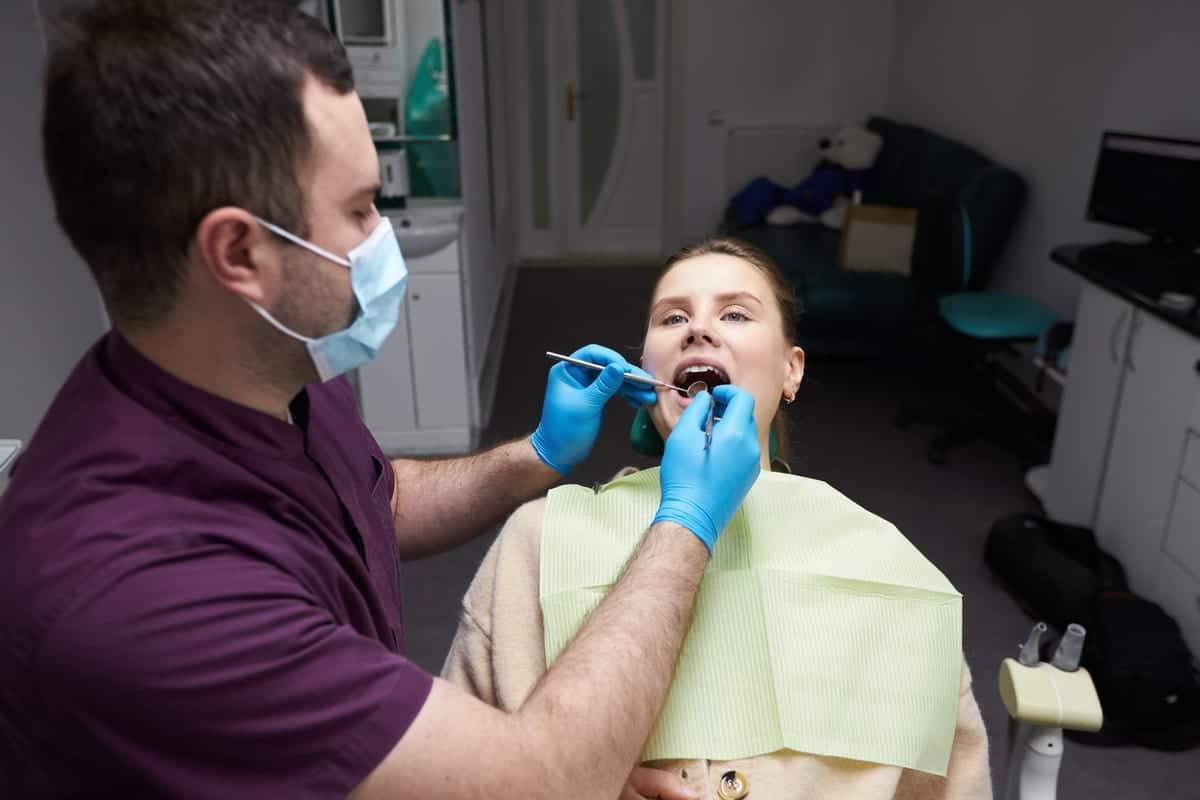
- Visual and physical examination: He inspects your jaw, face, and neck for visible signs of tension, asymmetry, or swelling.
- Joint palpation: Dr. Towner gently presses on the joint and surrounding muscles to locate areas of tenderness or dysfunction.
- Range of motion assessment: You will be asked to open and close your mouth, and move your jaw side to side, so Dr. Towner can measure movement and detect any restrictions.
- Listening for joint sounds: Clicking, popping, or grinding sounds during jaw movement are recorded and factored into the diagnosis.
- Bite analysis: Your bite relationship is carefully evaluated to identify uneven contact between teeth that may be stressing the joint.
- Dental imaging: X-rays or other imaging may be taken to assess the joint structure and surrounding bone.
Each of these steps contributes valuable diagnostic data. Together, they allow Dr. Towner to form an accurate, evidence-based diagnosis rather than relying on assumptions.
The Role of Bite Analysis and Imaging in TMJ Diagnosis
Two of the most informative parts of a TMJ evaluation are bite analysis and imaging. These tools reveal details that a physical exam alone cannot capture. Bite analysis identifies how your upper and lower teeth meet when you close your mouth. Uneven pressure points can strain the temporomandibular joint significantly over time.
Dr. Towner may use articulating paper — a thin, pressure-sensitive film — to map where your teeth make contact first. This simple test reveals a great deal about bite imbalance. Correcting these imbalances is often a central part of TMJ treatment planning.
Dental imaging adds another layer of clarity. Panoramic X-rays show the overall structure of your jaw and joint. In some cases, more advanced imaging like a cone beam CT scan may be recommended. These images help identify bone changes, joint erosion, or other structural issues that explain your symptoms.
When bite analysis and imaging are combined with the clinical exam, Dr. Towner can pinpoint the specific source of your TMJ pain. This level of precision leads to far more effective treatment outcomes for Phoenix patients.
How TMJ Evaluation Connects to Your Overall Dental Health
A TMJ evaluation does not happen in isolation. It is closely connected to your broader oral health picture. Teeth grinding (bruxism), worn enamel, cracked teeth, and even the need for Cosmetic Dentistry Phoenix can all be linked to untreated TMJ dysfunction. Dr. Towner examines your teeth for signs of excessive wear during the evaluation as well.
In some cases, TMJ symptoms develop after a dental injury or sudden jaw trauma. If your pain started after an accident or injury, it may qualify as a dental emergency. Valley Smiles offers Emergency Dentistry Phoenix services to address urgent jaw and dental concerns promptly.
Understanding your TMJ health also helps Dr. Towner make better recommendations for other treatments. For example, certain orthodontic adjustments or restorative procedures may need to account for your jaw alignment. Treating the full picture — not just the symptoms — is always the goal.
What Happens After Your TMJ Evaluation?
Once Dr. Towner has gathered all the diagnostic information, he will walk you through his findings in clear, simple terms. You will not be handed a confusing report with no explanation. He takes time to help you understand what is happening and what your options are. This educational conversation is an important part of the appointment.
Treatment recommendations vary based on the severity and cause of your TMJ disorder. Common approaches include:
- Custom night guards: A custom-fitted oral appliance worn during sleep to reduce grinding and protect the joint.
- Bite adjustment: Minor reshaping of tooth surfaces to eliminate uneven pressure points.
- Physical therapy exercises: Targeted jaw stretches and strengthening routines recommended for home use.
- Restorative dental work: Repairing worn or damaged teeth that are contributing to jaw stress.
- Monitoring and follow-up: For mild cases, a watchful waiting approach with regular check-ins may be appropriate.
Dr. Towner will never recommend a treatment plan that does not match your specific diagnosis. Every recommendation is grounded in what the evaluation actually reveals about your condition.
Schedule Your TMJ Evaluation at Valley Smiles in Phoenix
Living with jaw pain, headaches, or clicking joints does not have to be your normal. A thorough TMJ evaluation with Dr. Ryan Towner at Valley Smiles gives you real answers and a clear path forward. Phoenix patients deserve personalized, evidence-based care — and that is exactly what this practice delivers. Book Now to schedule your appointment with our team.
Frequently Asked Questions
How long does a TMJ evaluation appointment take?
Most TMJ evaluations at Valley Smiles take between 45 minutes and one hour. This allows Dr. Towner enough time to complete the full clinical exam, review your symptoms, perform bite analysis, and discuss imaging if needed. The goal is thoroughness, not speed.
Does a TMJ evaluation hurt?
The evaluation itself is generally not painful. Dr. Towner applies gentle pressure during joint palpation, which may cause some tenderness if your muscles are inflamed. He always communicates before touching sensitive areas and adjusts his approach based on your comfort level.
Do I need a referral to get a TMJ evaluation in Phoenix?
No referral is required to schedule a TMJ evaluation at Valley Smiles. You can contact the practice directly and request an appointment. Dr. Towner sees Phoenix patients with TMJ concerns as part of his general dentistry services.
Can TMJ go away on its own without treatment?
Mild TMJ symptoms sometimes improve with rest and lifestyle changes. However, moderate to severe cases typically worsen without proper diagnosis and treatment. Getting an evaluation early helps prevent long-term joint damage and chronic pain from developing.
What should I bring to my TMJ evaluation appointment?
Bring any relevant medical or dental records, a list of your current medications, and notes about your symptoms — including when they started and what seems to trigger them. The more information Dr. Towner has upfront, the more productive your evaluation will be.