3850 W Greenway Rd, STE 100 Phoenix, AZ 85053


You’ve seen the before-and-after photos. You want whiter teeth. But will your teeth actually whiten? This candidacy guide for Phoenix patients breaks down exactly who benefits most from whitening — and who may need a different approach. Understanding your candidacy upfront saves you time, money, and frustration. Dr. Ryan Towner and the team at Valley Smiles in Phoenix help patients make smart, informed decisions about Cosmetic Dentistry Phoenix treatments every day.
How Teeth Whitening Actually Works in Phoenix
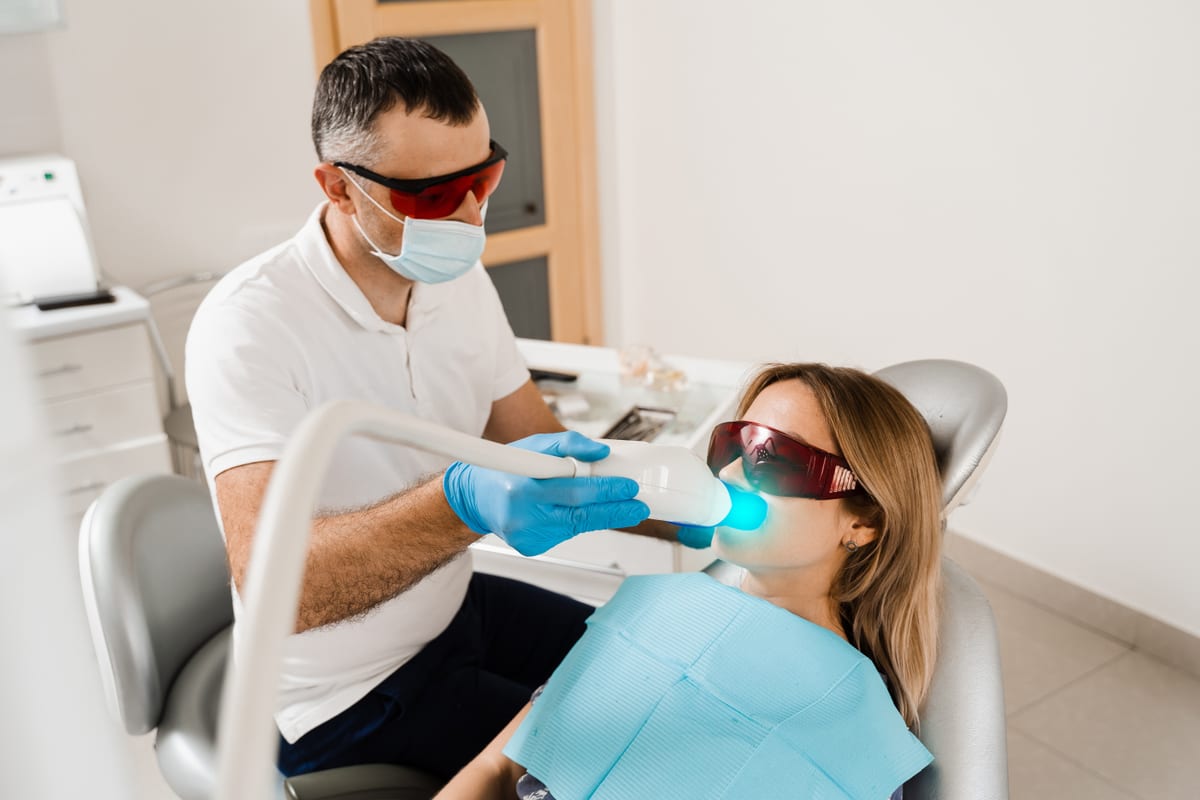
Teeth whitening uses peroxide-based agents to break apart stain molecules inside your enamel. These agents penetrate the outer tooth surface and lift discoloration from within. The process works best on specific types of staining. Not every stain responds to peroxide — and that’s the key factor in determining your candidacy.
Most whitening treatments target extrinsic stains. These are surface-level stains caused by food, drinks, and lifestyle habits. Coffee, red wine, tea, and tobacco are the most common culprits for Phoenix patients. If your discoloration comes from these sources, you are likely a strong candidate for whitening.
Intrinsic stains are a different story. These stains develop inside the tooth structure itself. They don’t respond well to peroxide-based treatments. Identifying the source of your staining is the first step in any whitening consultation.
Who Gets the Best Whitening Results — Phoenix Candidacy Breakdown
Patients who tend to see the best whitening results share a few common traits. Knowing where you fall helps set realistic expectations before you invest in any treatment.
Strong whitening candidates typically include:
- Adults with healthy, unrestored natural teeth
- Patients with extrinsic staining from coffee, tea, or wine
- People with mild to moderate yellowing from aging
- Patients who have completed any necessary dental work beforehand
- Non-smokers or recent former smokers with surface-level staining
If you fall into these categories, professional whitening can deliver dramatic, lasting results. At Valley Smiles, Dr. Ryan Towner offers in-office and take-home whitening options tailored to your lifestyle. Phoenix’s sunny climate means many patients here want bright smiles year-round — and the right candidates can absolutely achieve that.
Who May Not Respond Well to Whitening Treatments
This is where candidacy gets more nuanced. Several factors can limit or eliminate your response to whitening. Understanding these factors helps you avoid wasted effort and guides you toward better alternatives.
Whitening typically does not work well for patients with:
- Dental crowns or veneers — Porcelain and ceramic restorations do not whiten. They are manufactured at a fixed shade and stay that color regardless of whitening gel exposure.
- Tooth-colored fillings or bonding — Like crowns, composite resin restorations resist whitening agents entirely.
- Intrinsic staining from tetracycline antibiotics — This medication-induced staining runs deep into the dentin. Standard whitening produces minimal improvement at best.
- Fluorosis staining — Excess fluoride during tooth development causes white spots or brown discoloration that whitening cannot fix.
- Severe enamel erosion — Thinned enamel increases sensitivity and limits safe whitening treatment options.
If you have crowns or veneers in your smile zone, whitening your natural teeth may actually make the mismatch more visible. That’s why Dr. Towner always reviews your full dental history before recommending any whitening approach.
Medication-Induced and Intrinsic Staining: What Phoenix Patients Should Know
Medication-induced staining is one of the most misunderstood whitening barriers. Tetracycline antibiotics, when taken during childhood tooth development, bind to the calcium in forming teeth. This creates gray or brown banding deep within the tooth structure. Peroxide cannot reach this type of discoloration effectively.
Other medications and health conditions that can cause intrinsic discoloration include certain antihistamines, high blood pressure medications, and chemotherapy treatments. Patients in Phoenix who experienced these exposures during tooth development often wonder why whitening hasn’t worked for them in the past. The answer lies in the nature of the stain itself — not the quality of the treatment.
For patients with intrinsic or medication-induced staining, porcelain veneers are often the most effective solution. Veneers cover the tooth surface entirely, creating a uniform, bright appearance regardless of underlying discoloration. Dr. Ryan Towner can walk you through whether veneers make sense for your specific situation.
Alternatives When Whitening Isn’t the Right Fit
If you don’t qualify as an ideal whitening candidate, you still have excellent options. Modern cosmetic dentistry offers several ways to achieve a brighter, more confident smile. The right solution depends on the cause and severity of your discoloration.
Common alternatives for non-candidates include:
- Porcelain veneers — Thin shells bonded to the front of teeth to mask staining and reshape the smile
- Dental bonding — A cost-effective option for small areas of discoloration or chipping
- Dental crowns — Used when teeth are heavily discolored and structurally compromised
- Complete smile makeovers — A combination of treatments planned to create a cohesive, bright result
The team at Valley Smiles takes a whole-smile approach. We never recommend whitening just because a patient asks for it. We recommend what will actually work for your teeth, your bite, and your goals.
When to See Dr. Towner Before Whitening
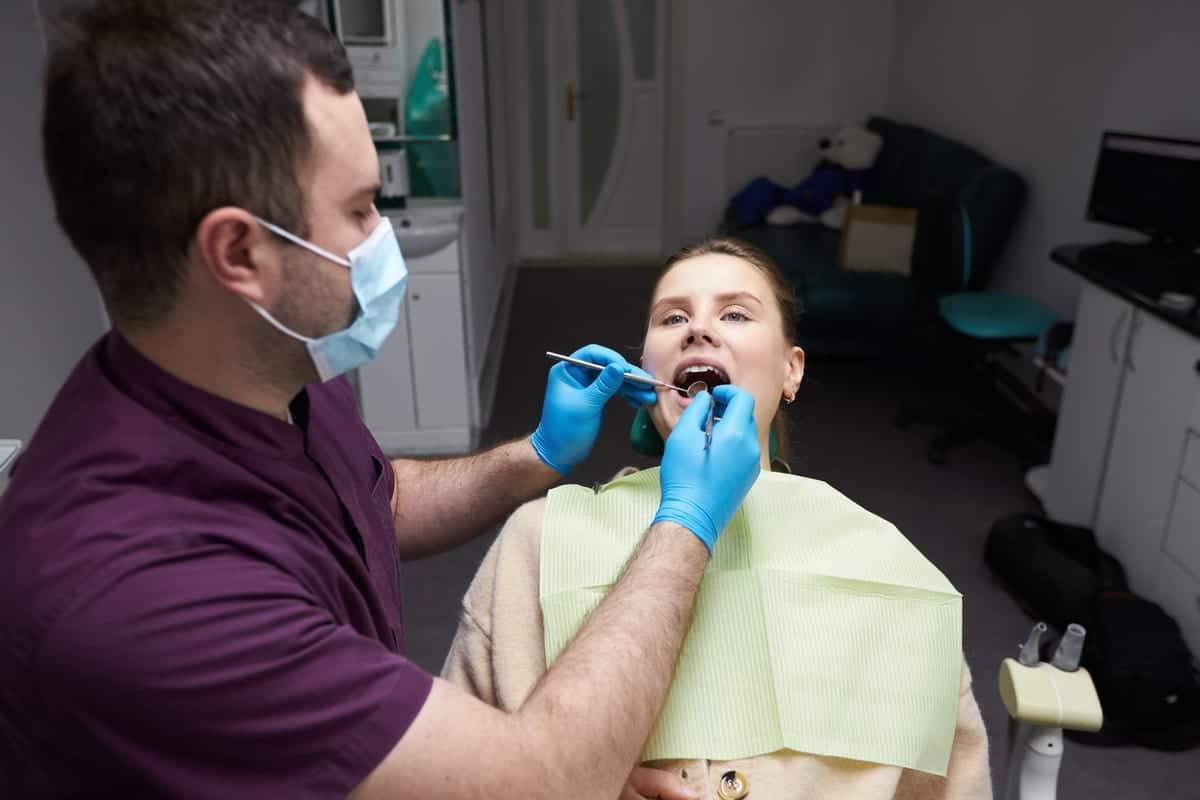
Timing matters with teeth whitening. Whitening before addressing cavities or gum disease can worsen sensitivity and damage already vulnerable tissue. Phoenix patients should always complete a dental exam and cleaning before starting any whitening treatment. This step protects your results and your oral health.
If you’re dealing with a dental emergency — like a cracked tooth or sudden pain — that should be your first priority. The team at Valley Smiles also offers Emergency Dentistry Phoenix services for urgent situations. Resolving any active dental issues first sets the stage for safe, effective whitening.
Dr. Towner also recommends scheduling whitening after any planned restorations. If you’re getting a new crown or veneer, whiten first and match the restoration to your new tooth shade. This approach gives you the most consistent, natural-looking result.
Frequently Asked Questions
Can I whiten my teeth if I have crowns or veneers?
Whitening gel does not change the color of crowns, veneers, or composite fillings. If these restorations are visible in your smile, whitening your natural teeth may create an uneven appearance. Dr. Towner can evaluate your specific situation and recommend whether whitening, replacement restorations, or a combination approach is best for you.
How do I know if my staining is intrinsic or extrinsic?
A dental exam is the most reliable way to determine your stain type. Extrinsic stains sit on or near the enamel surface and tend to respond well to whitening. Intrinsic stains originate inside the tooth and typically require cosmetic alternatives like veneers. Dr. Ryan Towner can assess your staining during a consultation at Valley Smiles in Phoenix.
Will whitening work if my teeth are stained from antibiotics?
Tetracycline and other antibiotic-induced stains are intrinsic by nature. They typically do not respond well to standard peroxide-based whitening treatments. Porcelain veneers are usually the most effective option for patients with this type of discoloration. Your dentist can explain your options in detail after reviewing your dental and medical history.
Is teeth whitening safe for sensitive teeth?
Many patients with mild to moderate sensitivity can still undergo whitening with proper precautions. Dentist-supervised treatments use customized trays and professional-grade gels that can be adjusted for sensitivity. Patients with severe enamel erosion or extremely sensitive teeth may need alternative options. Always disclose your sensitivity to Dr. Towner before beginning any whitening treatment.
How long do professional whitening results last in Phoenix?
Professional whitening results typically last between one and three years, depending on your diet, oral hygiene habits, and lifestyle factors. Phoenix patients who drink coffee, tea, or red wine regularly may notice fading sooner. Touch-up treatments and good at-home care can help maintain your results over time. Dr. Towner can recommend a maintenance plan that fits your routine.
Understanding your candidacy is the smartest first step toward a brighter smile. Whether whitening is right for you or an alternative approach makes more sense, the team at Valley Smiles is here to guide you with honest, expert advice. Book Now to schedule your appointment with our team.