3850 W Greenway Rd, STE 100 Phoenix, AZ 85053


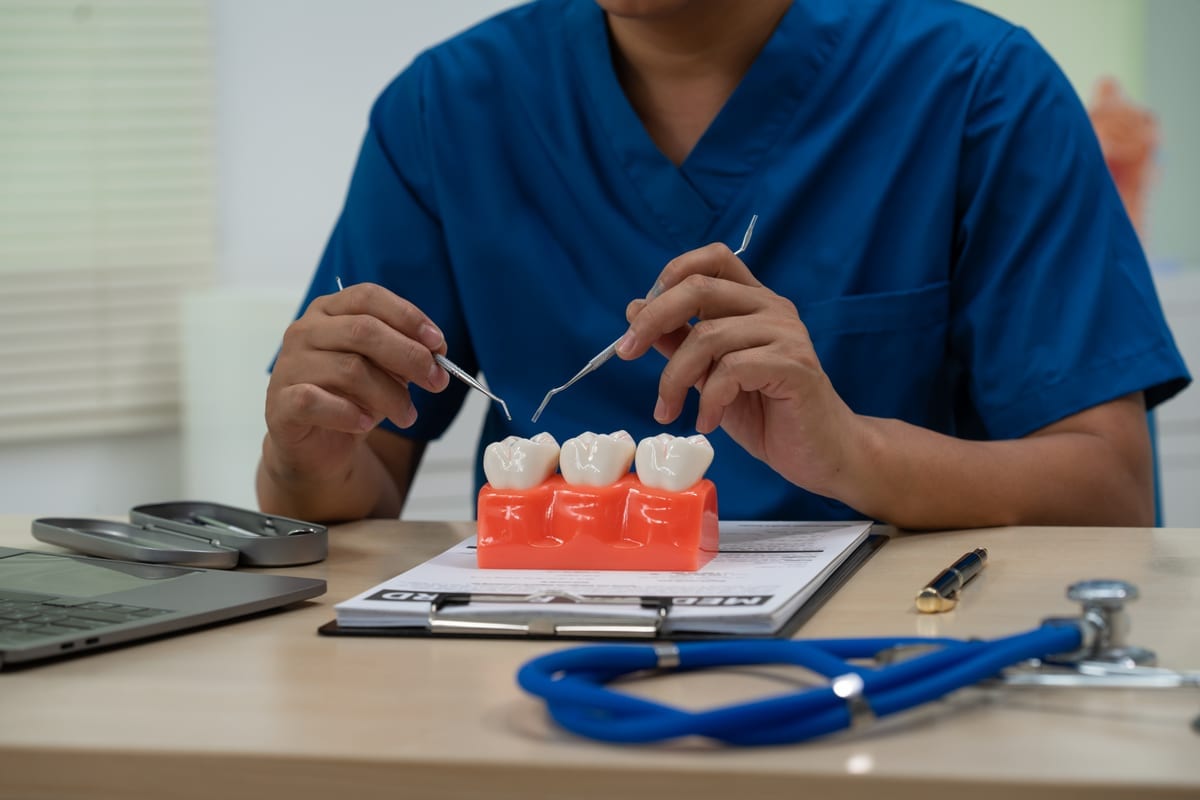
If your dentist mentioned both crowns and veneers, you might be wondering which option is right for you. Understanding crowns vs. veneers — which does your tooth really need in Deer Valley — comes down to clinical facts, not personal preference. The two restorations look similar on the surface but serve very different purposes. Knowing the difference helps you make a confident, informed decision about your smile.
What Is a Dental Crown and When Does a Tooth Need One?
A dental crown covers the entire visible tooth above the gumline. Think of it as a protective cap that restores the tooth’s shape, strength, and function. Crowns become necessary when a tooth has lost significant structure.
Dr. Ryan Towner at Valley Smiles typically recommends a crown in these situations:
- A tooth is cracked or fractured beyond a simple filling repair
- Decay has destroyed more than half of the tooth’s natural structure
- A root canal has been performed and the tooth needs protection
- An existing large filling has failed and left little healthy tooth remaining
- A tooth is severely worn down from grinding or acid erosion
Crowns require removing a significant layer of enamel from all sides of the tooth. That removal is permanent, but it is necessary when the tooth needs full structural support. A crown does not just improve appearance — it keeps a damaged tooth intact and functional.
What Is a Dental Veneer and When Is It the Right Choice?
A veneer is a thin porcelain shell bonded only to the front surface of a tooth. It is primarily a cosmetic solution, not a structural one. Veneers work best when the underlying tooth is fundamentally healthy and intact.
Your dentist may recommend veneers when a tooth has:
- Permanent staining that whitening cannot correct
- Minor chips or small surface fractures on the front face
- Slight size or shape irregularities affecting smile aesthetics
- Mild spacing issues or minor alignment concerns alongside healthy enamel
Because a veneer covers only the front surface, tooth preparation is minimal. A thin layer of enamel — typically less than a millimeter — is removed from the front face only. This preserves far more natural tooth structure compared to a crown. If the back and sides of your tooth are healthy, a veneer protects the smile without over-treating the tooth.
Veneers fall under the broader category of Cosmetic Dentistry, where the goal is improving a smile that is already structurally sound. Understanding that distinction helps clarify when each restoration truly fits.
Crowns vs. Veneers in Deer Valley: The Clinical Decision-Making Process
The choice between a crown and a veneer is not about which looks better. It is about what level of protection and coverage the tooth actually requires. Dr. Towner evaluates several clinical factors before recommending either option.
The most important factor is how much healthy tooth structure remains. A tooth that has lost more than 50 percent of its natural enamel and dentin needs the full coverage and reinforcement a crown provides. Placing a veneer on a structurally compromised tooth would be like applying a bandage to a broken bone.
The second key factor is the location and type of damage. Damage on the biting surface or back of the tooth rules out a veneer entirely. Veneers only address the visible front surface. If any damage exists beyond that front face, a crown is the appropriate solution.
Finally, your dentist considers bite forces and grinding habits. Patients in Deer Valley who clench or grind their teeth place enormous pressure on restorations. Crowns withstand those forces far more reliably than thin porcelain veneers.
What Happens If You Choose the Wrong Restoration?
Choosing a veneer when a crown is clinically indicated creates real risks. A veneer placed on a structurally weak tooth may crack, debond, or fail prematurely. Worse, the underlying damage continues to progress beneath the veneer without proper support.
On the other side, choosing a crown when a veneer would have sufficed means removing healthy tooth structure unnecessarily. That irreversible enamel removal commits your tooth to crowns for life. Over-treating a tooth has long-term consequences, including increased sensitivity and greater complexity in future dental care.
This is why a thorough clinical examination matters. X-rays, bite analysis, and an honest conversation with Dr. Towner give you a clear picture of what your specific tooth actually needs — not just what looks appealing in before-and-after photos.
If you are experiencing a sudden chip, break, or pain, do not wait. Prompt evaluation through Emergency Dentistry can prevent a situation from moving from a veneer candidate to a crown candidate overnight.
Making the Right Decision for Your Smile in Deer Valley
Both crowns and veneers are excellent restorations when used appropriately. The best outcome always comes from matching the right tool to the specific problem. A healthy tooth with cosmetic concerns deserves a conservative veneer. A damaged, weakened tooth deserves the full protection of a crown.
Valley Smiles takes a patient-first approach to every smile consultation. Dr. Ryan Towner walks through every clinical finding with you clearly and honestly. You deserve to understand exactly why one restoration was chosen over another before any treatment begins.
If you have questions about your own smile or want a second opinion, we are here to help. Book Now to schedule your appointment with our team.
Frequently Asked Questions
Can a veneer be replaced with a crown later if needed?
Yes. If a tooth with a veneer later develops significant decay or structural damage, a crown can be placed over it. However, the reverse is not true — a crowned tooth cannot step down to a veneer because too much enamel has already been removed.
How long do crowns and veneers typically last?
With proper care, porcelain crowns and veneers can both last 10 to 15 years or longer. Regular cleanings, avoiding hard foods, and wearing a night guard if you grind your teeth all extend the lifespan of either restoration.
Is getting a crown more painful than getting a veneer?
Both procedures are performed under local anesthesia, so discomfort during treatment is minimal. Crown preparation involves more tooth reduction, so some patients notice slightly more sensitivity afterward. That sensitivity usually resolves within a few days.
Will my crown or veneer look natural?
Modern porcelain restorations are designed to match the color, translucency, and shape of your surrounding teeth. Dr. Towner works closely with dental ceramists to ensure your crown or veneer blends seamlessly with your natural smile.
Do I need a consultation before deciding between a crown and a veneer?
Absolutely. No dentist should recommend a crown or veneer without a full clinical examination and X-rays. A consultation allows Dr. Towner to assess the health of your tooth, your bite, and your aesthetic goals before recommending any treatment.