3850 W Greenway Rd, STE 100 Phoenix, AZ 85053


If you’ve ever wondered why professional teeth whitening vs. store kits produces such different results in Phoenix, you’re not alone. Many patients try whitening strips first and feel disappointed. Others invest in professional care and are genuinely surprised by the outcome. Understanding why results differ helps you make a smarter, more confident choice for your smile.
At Valley Smiles, Dr. Ryan Towner works with Phoenix patients every day who have questions about whitening options. This article breaks down both approaches honestly — no hype, just real information to guide your decision.
How Professional Teeth Whitening vs. Store Kits Actually Works in Phoenix
The biggest difference comes down to the concentration of the whitening agent. Professional treatments use hydrogen peroxide or carbamide peroxide at much higher strengths than anything sold over the counter. This allows the bleaching agent to penetrate deeper into the enamel. Store kits are intentionally limited in strength for safety reasons.
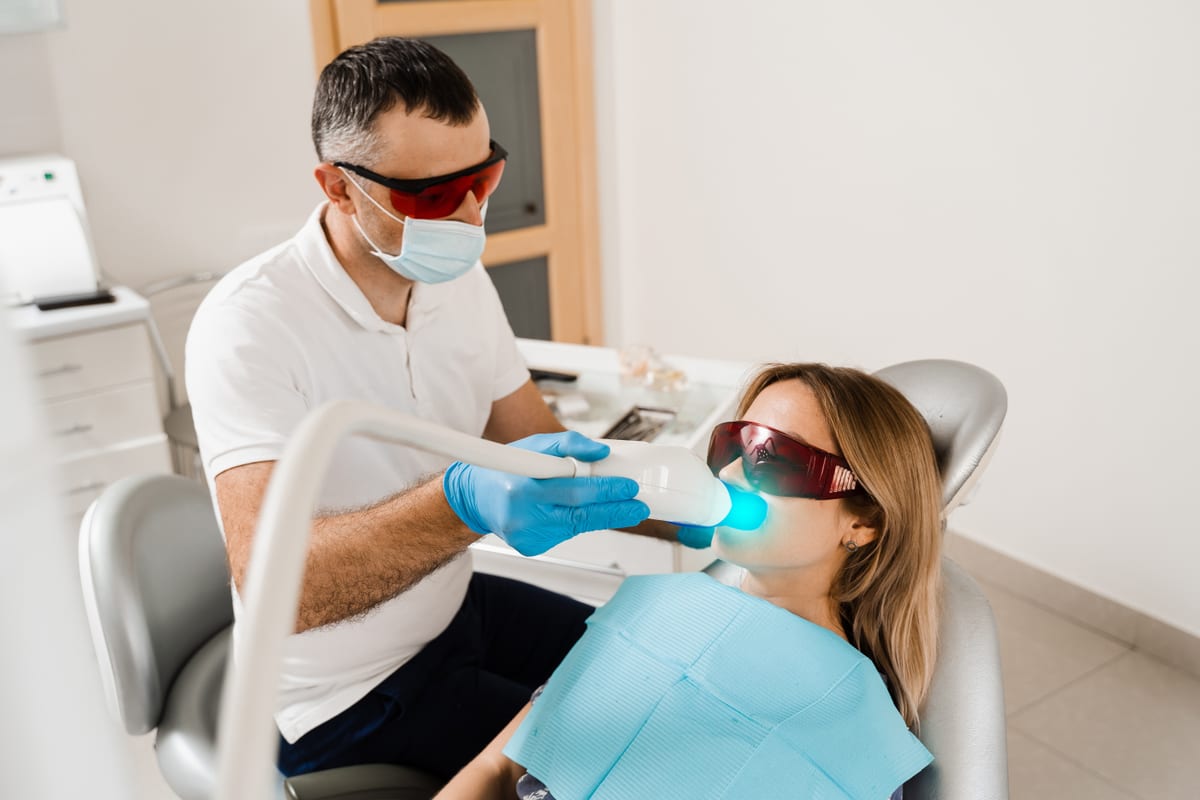
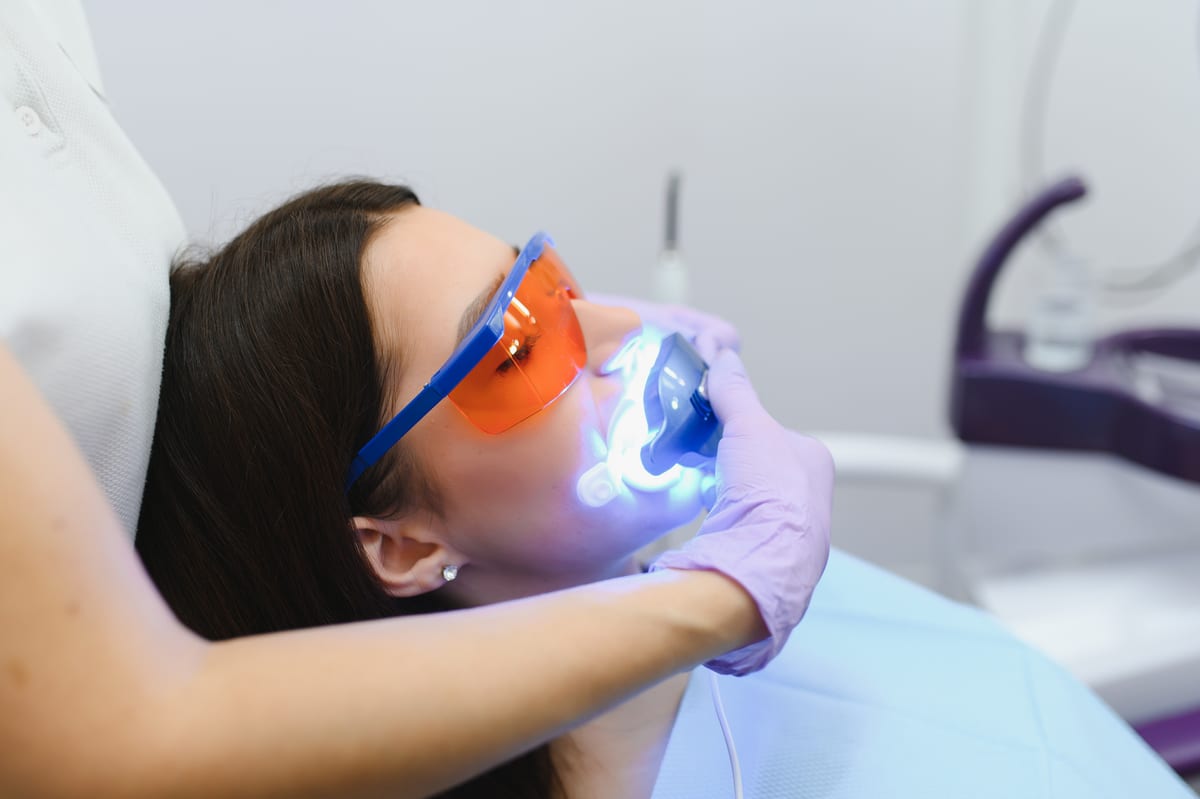
Professional whitening also uses custom-fitted trays or in-office light-activated systems. These ensure even contact between the gel and every tooth surface. Store strips, on the other hand, shift and slip during wear. Uneven coverage leads to patchy, inconsistent results.
In-office treatments at a dental practice like Valley Smiles also include protective measures for your gums. A dentist applies a barrier before treatment begins. This step dramatically reduces sensitivity and tissue irritation — two common complaints with store kits.
What Store-Bought Whitening Kits Can and Cannot Do
Store-bought kits are not entirely without value. They can remove surface stains caused by coffee, tea, and wine. For patients with mild discoloration, they may produce a noticeable improvement over several weeks. They are also widely available and easy to use at home in Phoenix.
However, store kits have real limitations. They cannot address intrinsic stains — those embedded deep inside the tooth structure. These stains often come from aging, certain medications, or past dental trauma. No over-the-counter product is strong enough to reach them effectively.
- Store kits work best on mild, surface-level staining
- Results typically take two to four weeks to appear
- Whitening strips often miss the edges and between teeth
- Sensitivity is common with repeated or prolonged use
- Results fade faster without professional maintenance guidance
It’s also worth noting that store kits cannot whiten dental restorations. Crowns, veneers, and bonding do not respond to bleaching agents. A dentist can identify these areas before treatment and set realistic expectations.
Who Is Each Option Best Suited For?
Professional whitening is the better choice for patients with moderate to severe staining. It also suits people who want faster, more dramatic results before an event or occasion. If you have sensitive teeth or existing dental work, professional supervision is especially important. A dentist can customize the treatment to your specific needs.
Store kits may be a reasonable starting point for patients with very mild yellowing. They can also serve as a maintenance tool after a professional whitening session. However, they should not replace a proper dental evaluation. Some discoloration signals an underlying issue that whitening alone won’t fix.
- Choose professional whitening if: you have moderate or deep staining, dental restorations, or tooth sensitivity
- Choose professional whitening if: you want visible results within one to two appointments
- Store kits may work if: your staining is very mild and recent
- Store kits may work if: you’re maintaining results after professional treatment
Dr. Towner recommends a consultation before starting any whitening regimen. This helps identify the cause of discoloration and the most effective solution. A few minutes of professional guidance can save you months of trial and error.
The Role of Cosmetic Dentistry in a Complete Smile Transformation
Teeth whitening is just one tool within the broader world of Cosmetic Dentistry. Some patients find that whitening alone doesn’t achieve the smile they envisioned. In those cases, options like veneers, bonding, or Invisalign may be better suited to their goals. A comprehensive cosmetic consultation helps map out the right combination of treatments.
It’s also important to address any existing dental health issues before whitening. Cavities, cracked enamel, or gum disease can worsen with bleaching agents. Dr. Towner always performs a thorough exam before recommending any cosmetic procedure. Your health comes first — aesthetics follow.
Phoenix patients benefit from having all these services available under one roof at Valley Smiles. You won’t need to visit multiple specialists. From whitening to full smile makeovers, the care is coordinated and consistent.
What to Expect During a Professional Whitening Appointment
Many patients are surprised by how straightforward the process is. A typical in-office whitening session takes about 60 to 90 minutes. You’ll start with a pre-treatment exam to confirm your teeth and gums are healthy. Then a protective barrier is applied to your soft tissue.
The whitening gel is applied directly to your teeth in controlled intervals. Some systems use a special light to accelerate the process. Most patients see results several shades lighter after a single session. Touch-up trays for home use are often provided to maintain your results.
If you experience any discomfort during or after whitening, contact your dental office promptly. In rare cases, patients experience temporary sensitivity or gum irritation. This is another reason professional oversight matters. For urgent concerns, Valley Smiles also offers Emergency Dentistry services for unexpected dental issues.
Making the Right Choice for Your Smile in Phoenix
The honest answer is that professional whitening consistently outperforms store kits for most patients. The science behind the results is clear — stronger agents, custom application, and professional oversight produce superior outcomes. Store kits have a place, but they have limits worth understanding before you invest time and money in them.
If you’re in Phoenix and ready to see a genuine difference in your smile, Valley Smiles is here to help. Dr. Ryan Towner and our team will evaluate your teeth and recommend the most effective, comfortable whitening path for you. Book Now to schedule your appointment with our team.
Frequently Asked Questions
How long do professional whitening results last compared to store kits?
Professional whitening results typically last one to three years with proper maintenance. Store kit results often fade within a few months. Avoiding staining foods and beverages, combined with good oral hygiene, extends results for both options. Your dentist can recommend a maintenance plan tailored to your lifestyle.
Is professional teeth whitening safe for sensitive teeth?
Yes, with the right precautions. Dr. Towner assesses your sensitivity level before recommending a whitening approach. Desensitizing gels and adjusted treatment times can significantly reduce discomfort. Professional supervision makes it much safer than self-applying store products without guidance.
Can whitening treatments work on crowns or veneers?
No, bleaching agents do not change the color of dental restorations like crowns, veneers, or bonding. Only natural tooth enamel responds to whitening treatments. If you have restorations in visible areas, your dentist will discuss options to achieve a consistent color match across your smile.
How many shades whiter can I expect from professional whitening?
Most patients achieve between six and ten shades of improvement with professional whitening. Results vary based on the type and severity of staining. Intrinsic stains respond more slowly than surface stains. A realistic expectation is best established during a pre-treatment consultation with Dr. Towner.
Should I whiten my teeth before or after other dental work?
Generally, whitening should be done before any new restorations such as crowns or bonding. This allows your dentist to match the restoration color to your newly whitened teeth. Whitening after restorations are placed may result in a color mismatch. Always discuss timing with your dentist before beginning any whitening treatment.