3850 W Greenway Rd, STE 100 Phoenix, AZ 85053


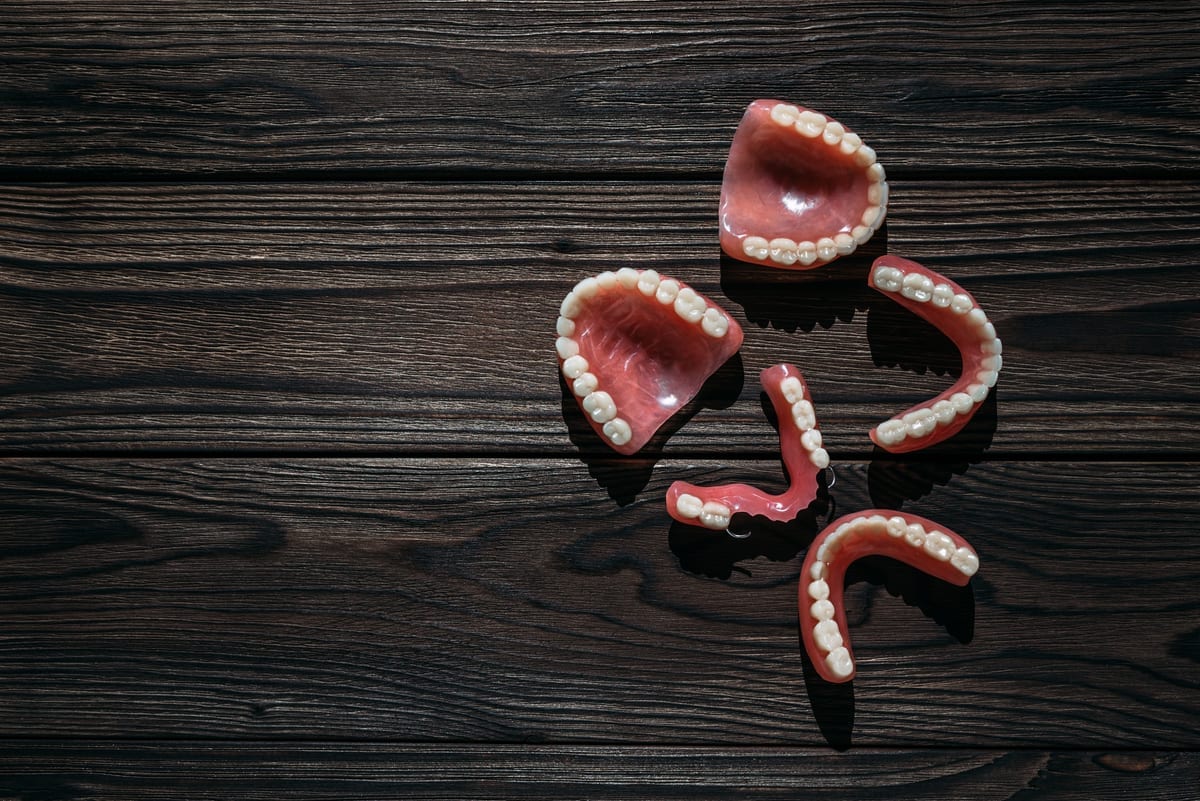
Getting new dentures is a big milestone. Your first week with dentures — what to expect and how to adapt in Phoenix — is something Dr. Ryan Towner hears about from patients every week at Valley Smiles. The adjustment period is real, but it is completely manageable. Understanding what lies ahead helps you approach this change with confidence.
Dentures replace missing teeth and restore your smile. However, your mouth needs time to get used to them. Most patients in Phoenix find that patience and the right strategies make all the difference during those early days.
What Happens to Your Mouth During the First Week With Dentures
Your mouth is remarkably adaptable, but it needs time. During the first few days, your gums and jaw are learning to work with a new appliance. This is completely normal and expected by every dental professional.
You may notice increased saliva production right away. Your brain interprets the denture as food and triggers extra saliva. This settles down within a few days as your body adjusts.
Mild soreness is also very common. Your gum tissue is sensitive, especially if you had recent extractions. Some pressure points may develop where the denture sits against your gums.
Here is what most patients experience in the first week:
- Increased saliva flow that gradually normalizes
- Soreness or irritation along the gum line
- A feeling that the denture feels bulky or loose
- Slight changes in facial appearance and lip fullness
- Heightened awareness of the appliance in your mouth
These experiences are temporary. Most patients see significant improvement within two to four weeks of consistent wear.
Speaking Clearly: Overcoming Speech Changes in Phoenix
One of the most surprising challenges for new denture wearers is speech. Your tongue, lips, and teeth work together to form sounds. When your mouth changes, your speech patterns shift too.
Certain sounds are harder at first. Words with s, f, and th sounds often feel awkward. Your tongue has to relearn where to position itself against the denture.
The best way to speed up this process is practice. Read aloud at home for ten to fifteen minutes each day. Talking with friends or family also builds confidence faster than staying silent.
Most patients in Phoenix notice their speech improving within one to two weeks. Your brain adapts quickly when you give it regular practice and feedback.
Eating With Dentures: A Phoenix Patient’s Step-by-Step Guide
Food is often the biggest concern for new denture wearers. Eating with dentures does take adjustment, but it becomes second nature over time. Starting with the right foods protects your gums and builds your confidence.
Follow this progression to make eating easier and more comfortable:
- Days one through three: Stick to soft foods only. Think yogurt, mashed potatoes, scrambled eggs, and smoothies.
- Days four through seven: Introduce slightly firmer foods. Soft pasta, cooked vegetables, and tender fish work well.
- Week two and beyond: Gradually add more variety. Cut food into small pieces and chew on both sides of your mouth equally.
Avoid very hard, sticky, or crunchy foods during the first month. These can dislodge your denture or cause soreness. Hard candies, raw carrots, and chewy bread are common culprits.
Chewing on both sides simultaneously helps keep the denture stable. Using only one side can tip the denture and cause irritation. This technique becomes automatic with practice.
Hot beverages deserve extra caution too. Dentures can reduce heat sensitivity in your mouth. Always test the temperature of hot drinks before taking a full sip.
Managing Sore Spots and Knowing When to Call Dr. Towner
Some soreness is expected during your first week with dentures. Your gum tissue is adapting to consistent pressure from the appliance. However, not all discomfort should be ignored.
Mild tenderness across the gum line is normal. A specific, sharp pain in one spot usually means a pressure point needs adjustment. Do not try to adjust the denture yourself at home.
At Valley Smiles, Dr. Ryan Towner provides follow-up visits to check fit and make small adjustments. These appointments are a standard part of your denture care in Phoenix. Most patients need one or two adjustments during the first month.
Signs that you should call the office sooner rather than later include:
- A sore spot that does not improve after two or three days
- Significant pain that makes wearing the denture impossible
- Visible sores or ulcers on your gum tissue
- A denture that feels dramatically looser than when first fitted
If you experience a dental emergency related to your dentures, Emergency Dentistry Phoenix is available at Valley Smiles to help you quickly. Never suffer through severe pain without reaching out for professional guidance.
Daily Denture Care Habits That Make Adaptation Easier
Building good habits in week one sets you up for long-term success. Proper care keeps your dentures fitting well and your gums healthy throughout the adjustment period.
Remove your dentures at night to give your gum tissue a rest. This is especially important during the first few weeks. Wearing them continuously can increase soreness and slow healing.
Clean your dentures daily with a soft denture brush and mild denture cleaner. Avoid regular toothpaste, as it is too abrasive for denture material. Rinse them thoroughly before placing them back in your mouth.
Store your dentures in water or a denture-soaking solution overnight. This prevents them from drying out and warping. A well-maintained denture maintains its shape and fit much longer.
Rinse your mouth gently with warm salt water after meals during the first week. This soothes irritated gum tissue and keeps your mouth clean. It is a simple habit that many Phoenix patients find very helpful.
Looking Ahead: Life After the Adjustment Period
Most Valley Smiles patients in Phoenix feel comfortable and confident with their dentures within four to eight weeks. The early challenges feel distant once your mouth fully adapts. Eating, speaking, and smiling become natural again.
If you are also considering other ways to enhance your smile, learning about Cosmetic Dentistry Phoenix options at Valley Smiles may open up exciting possibilities alongside your denture journey.
Dr. Ryan Towner and the Valley Smiles team are here to support every step of your adaptation. You do not have to navigate this process alone. Regular check-ins and open communication make the adjustment period far smoother for every patient.
Your new smile is worth the short-term adjustment. With the right guidance, patience, and care, dentures can give you back the confidence and function you deserve. Book Now to schedule your appointment with our team.
Frequently Asked Questions
How long does it take to get used to dentures?
Most patients adapt to their dentures within four to eight weeks. The first week is typically the most challenging, with speech and eating difficulties being the most common concerns. Consistent wear and practice speed up the process significantly.
Is it normal for dentures to feel loose in the first week?
Yes, some looseness is normal as your mouth adjusts. Your cheek muscles and tongue learn to help hold the denture in place over time. If looseness feels severe or worsens, contact Valley Smiles for a fitting adjustment.
Can I sleep with my dentures in during the first week?
Dr. Towner generally recommends removing dentures at night to allow your gum tissue to rest and recover. This is especially important during the first month. Ask about your specific situation at your next visit.
What foods should I avoid during the first week with dentures?
Avoid hard, sticky, and crunchy foods during your first week. Foods like hard candy, raw vegetables, chewy bread, and popcorn can dislodge or damage your denture and irritate sore gums. Stick to soft, easy-to-chew options initially.
When should I call my dentist about denture soreness?
Contact Valley Smiles if a sore spot does not improve after two to three days, if you notice visible sores or ulcers, or if pain makes wearing your denture impossible. Mild general soreness is expected, but persistent or localized pain needs professional attention.