3850 W Greenway Rd, STE 100 Phoenix, AZ 85053


Teeth whitening sensitivity is one of the most common concerns patients share with us here in Phoenix. You want a brighter smile, but the thought of sharp, achy teeth afterward gives you pause. Understanding teeth whitening sensitivity — why it happens and how to stop it — can help you move forward with confidence. At Valley Smiles, Dr. Ryan Towner helps patients achieve stunning results while keeping discomfort to a minimum.
What Causes Teeth Whitening Sensitivity in Phoenix Patients?
Whitening products use peroxide-based agents to lift stains from your enamel. These agents open tiny pores in your enamel called dentinal tubules. Once open, those tubules allow temperature changes and pressure to reach the nerve inside your tooth. The result is that familiar sharp, zingy sensation.
Your teeth are naturally porous to some degree. Some patients have thinner enamel, exposed roots, or existing microscopic cracks. These factors make sensitivity more likely after whitening treatments. Even perfectly healthy teeth can experience temporary sensitivity during the whitening process.
The concentration of the whitening agent also matters. Higher peroxide concentrations work faster but can cause more irritation. Professional treatments allow Dr. Towner to tailor the strength of the product to your specific needs. That personalization is something over-the-counter kits simply cannot offer.
How Professional Whitening Minimizes Sensitivity
Professional whitening at Valley Smiles differs significantly from drugstore strips or trays. Dr. Towner begins with a full exam to identify any existing sensitivity, cavities, or gum issues. Treating those concerns first reduces your risk of post-whitening discomfort. It is a smarter, safer approach to a brighter smile.
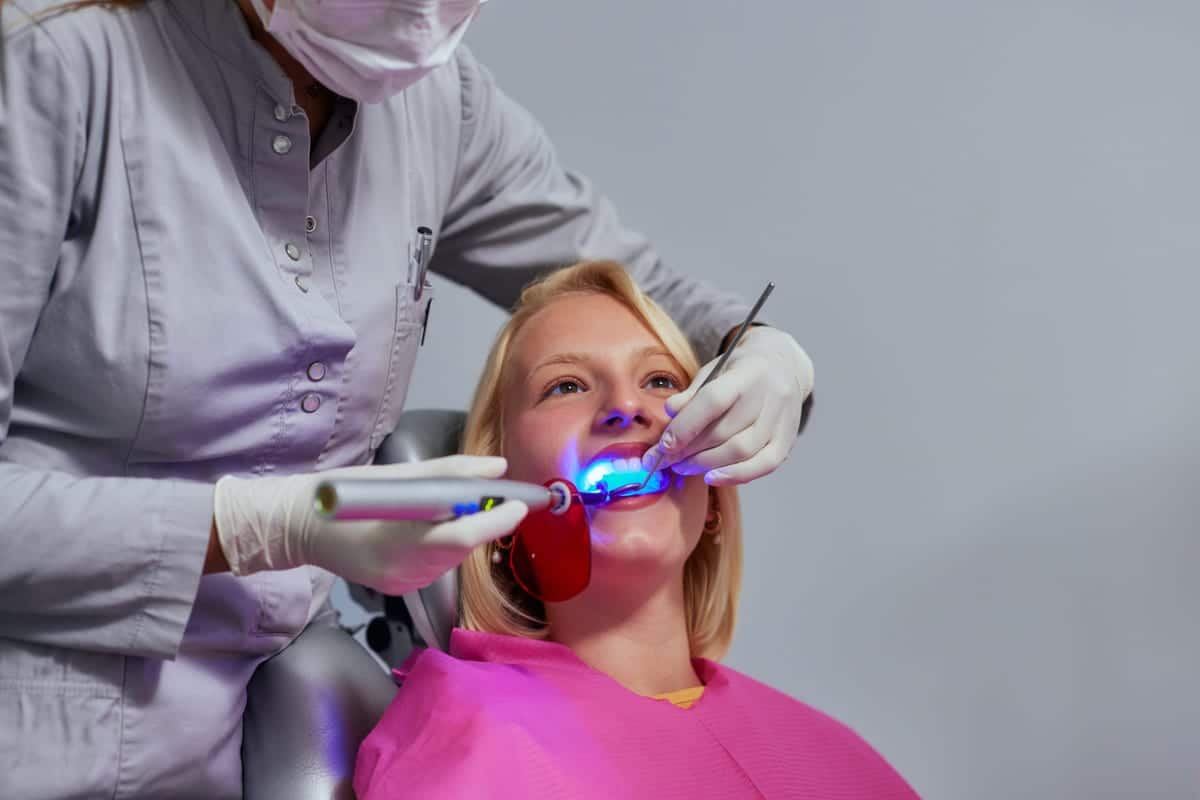
During your in-office treatment, a protective barrier shields your gums from the whitening gel. This barrier prevents the peroxide from irritating soft tissue, which is a major source of discomfort. Customized trays also ensure the gel stays exactly where it belongs — on your teeth, not your gums.
As part of our Cosmetic Dentistry Phoenix services, we use professional-grade desensitizing agents before and after treatment. These products contain potassium nitrate or fluoride, which calm the nerves inside your teeth. Many patients are surprised by how comfortable a professional whitening session can be with the right preparation.
Tips for Managing Sensitivity at Home After Whitening
Even with professional care, some mild sensitivity is possible after whitening. The good news is there are several effective strategies to manage it at home. Following these tips can make your recovery much more comfortable.
- Use a desensitizing toothpaste: Switch to a sensitivity-formula toothpaste at least one week before your appointment. Products with potassium nitrate help block the pain signals traveling to your nerve.
- Avoid extreme temperatures: Skip very hot coffee or ice-cold drinks for 24 to 48 hours after whitening. Temperature extremes aggravate open dentinal tubules.
- Take an over-the-counter pain reliever: Ibuprofen or acetaminophen can reduce inflammation and ease discomfort after treatment. Take it as directed on the packaging.
- Avoid acidic foods and drinks: Citrus fruits, sodas, and vinegar-based foods can worsen sensitivity. Give your enamel time to recover before reintroducing them.
- Wear your custom trays correctly: If Dr. Towner provides at-home whitening trays, follow his exact instructions for wear time. Overusing trays is a leading cause of prolonged sensitivity.
Most whitening sensitivity resolves within 24 to 72 hours after treatment. If your discomfort lasts longer or feels severe, contact our Phoenix office right away. Persistent sensitivity can sometimes signal an underlying issue that needs attention.
When Sensitivity Signals Something More Serious
Occasional mild sensitivity after whitening is completely normal. However, intense or long-lasting pain is a different story. It may indicate a cavity, a cracked tooth, or significant enamel erosion. These are conditions that need professional evaluation, not just a sensitivity toothpaste.
If you experience sharp, shooting pain or swelling alongside your sensitivity, treat it as a dental emergency. Our team offers Emergency Dentistry Phoenix services for exactly these situations. Dr. Towner can quickly identify whether your symptoms stem from whitening or something that requires immediate treatment.
It is also worth noting that whitening is not appropriate for every patient. People with severe enamel erosion, active gum disease, or untreated cavities should address those issues first. Dr. Towner will always conduct a thorough evaluation before recommending any whitening treatment. Your long-term oral health always comes first.
Who Is a Good Candidate for Teeth Whitening in Phoenix?
Most healthy adults in Phoenix are excellent candidates for professional whitening. If your teeth and gums are in good shape, you are likely to see outstanding results with minimal sensitivity. A quick consultation with Dr. Towner is the best way to know for sure.
Certain groups may need a modified approach or alternative treatments:
- Patients with dental crowns, veneers, or bonding — whitening does not change artificial tooth surfaces
- Pregnant or nursing individuals — whitening is typically postponed until after this period
- Patients with severe enamel wear or gum recession — these cases need a personalized plan
- Children and teenagers — their enamel and nerves are still developing, so whitening is usually delayed
Even if you fall into one of these categories, there may still be options available to you. Dr. Towner will walk you through every alternative and help you make an informed decision. No patient leaves our Phoenix office without a clear path toward the smile they want.
Conclusion: Brighter Smiles Without the Discomfort
Teeth whitening sensitivity does not have to hold you back from the smile you deserve. Understanding why it happens — and how to prevent it — makes all the difference. With the right professional guidance, most Phoenix patients experience very manageable or even zero sensitivity after treatment. Dr. Ryan Towner and the Valley Smiles team are here to make your whitening experience safe, effective, and comfortable. Book Now to schedule your appointment with our team.
Frequently Asked Questions
How long does teeth whitening sensitivity last?
For most patients, sensitivity after professional whitening lasts between 24 and 72 hours. It typically peaks within the first day and gradually fades. Using a desensitizing toothpaste and avoiding temperature extremes can speed up recovery. If sensitivity lasts longer than three days, contact Dr. Towner for an evaluation.
Can I whiten my teeth if I already have sensitive teeth?
Yes, in many cases you can still whiten teeth that are naturally sensitive. Dr. Towner will assess your enamel health and recommend a lower-concentration product or shorter treatment sessions. Using desensitizing treatments before and after whitening also helps significantly. The key is a personalized approach rather than a one-size-fits-all solution.
Is professional whitening safer than over-the-counter kits?
Professional whitening is safer because it involves a full dental exam beforehand and uses customized trays and monitored gel concentrations. Over-the-counter kits apply a standard peroxide level to all users, which can cause unnecessary sensitivity. Professional treatments also include gum protection that store-bought kits do not provide.
How often can I whiten my teeth without causing damage?
Most dental professionals recommend whitening no more than once or twice per year. Whitening too frequently can wear down enamel over time and increase sensitivity. Dr. Towner will advise you on a maintenance schedule that keeps your smile bright without compromising your tooth health.
What foods should I avoid after teeth whitening?
For at least 48 hours after whitening, avoid coffee, tea, red wine, tomato-based sauces, berries, and citrus fruits. These items can stain freshly whitened teeth and also aggravate sensitivity. Sticking to white or light-colored foods during this window helps protect your results and reduce discomfort.