3850 W Greenway Rd, STE 100 Phoenix, AZ 85053


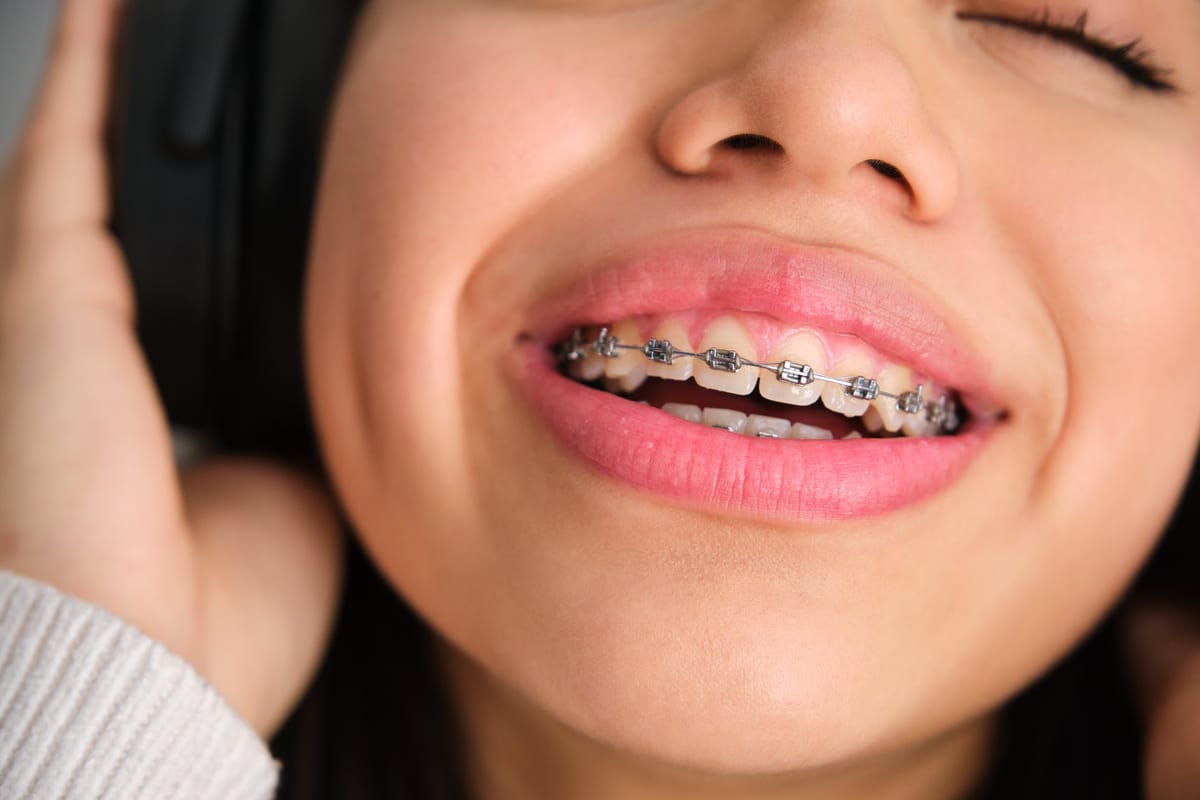
If you’ve ever wondered whether your bite is a candidate for orthodontic treatment, you’re not alone. Many Phoenix residents deal with misaligned teeth, crowding, or jaw issues without realizing treatment is available. At Valley Smiles, Dr. Ryan Towner evaluates each patient individually to determine the right path forward. Understanding what we assess during that process can help you feel confident walking through our doors.
What Does ‘Bite Evaluation’ Mean in Orthodontics?
A bite evaluation is a comprehensive review of how your upper and lower teeth come together. It goes beyond just how your smile looks. Dr. Towner examines jaw alignment, tooth spacing, and how your teeth function during chewing and speaking.
This type of evaluation is central to determining whether your bite is a candidate for orthodontic treatment. Here in Phoenix, we see a wide range of bite concerns — from simple crowding to more complex skeletal misalignments. Every case is different, and every treatment plan reflects that uniqueness.
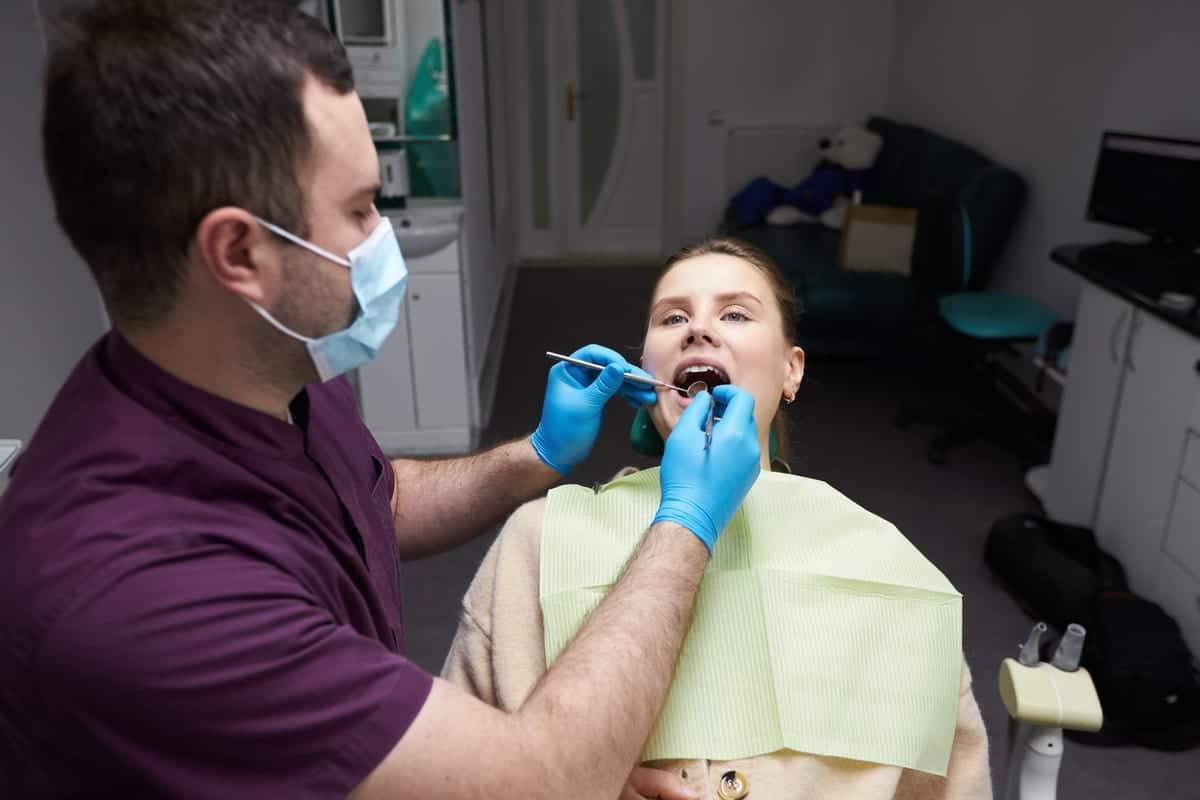
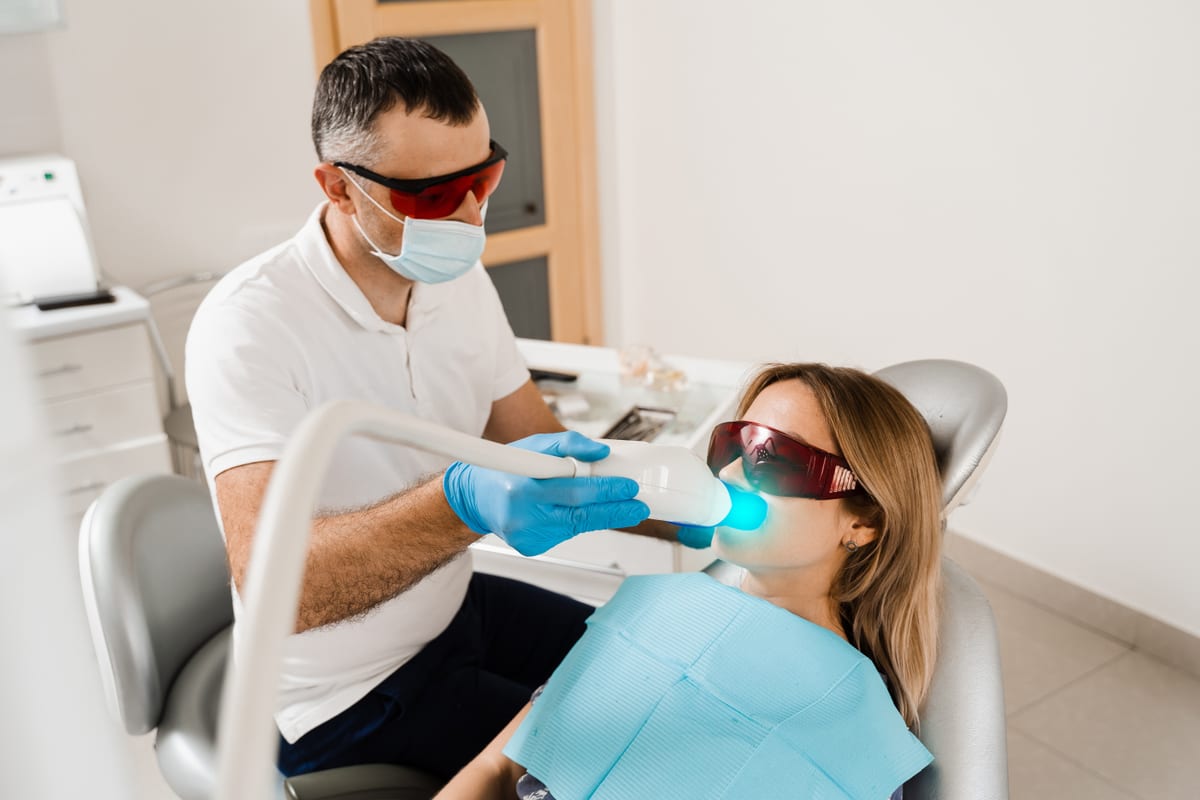
During your evaluation, we gather clinical observations and use digital imaging when needed. This gives us a precise picture of what’s happening beneath the surface. We want to understand not just the aesthetics, but the functional impact of your bite.
Common Bite Problems That May Qualify for Orthodontic Treatment in Phoenix
Not every dental concern requires orthodontic treatment. However, several conditions consistently point toward it as the best solution. Knowing where you fall can help set expectations before your first visit.
Here are some of the most common bite issues we evaluate:
- Overbite: Upper front teeth overlap the lower teeth too much.
- Underbite: Lower teeth extend in front of the upper teeth.
- Crossbite: Some upper teeth sit inside the lower teeth when biting.
- Open bite: Upper and lower front teeth don’t meet when the mouth is closed.
- Crowding: Teeth overlap due to insufficient space in the jaw.
- Spacing issues: Gaps between teeth that affect function or appearance.
- Misaligned midline: The center of the upper and lower teeth don’t align.
Each of these conditions can affect more than appearance. They may cause wear on tooth enamel, jaw discomfort, or difficulty cleaning teeth properly. That’s why early evaluation matters so much.
What We Evaluate During Your Orthodontic Consultation
Dr. Towner follows a structured approach to every orthodontic consultation. This ensures nothing is missed and every recommendation is backed by thorough assessment. Here’s what to expect during your visit at Valley Smiles in Phoenix.
The evaluation typically includes the following steps:
- Health history review: We discuss any existing conditions, past dental work, and symptoms like jaw pain or headaches.
- Visual examination: Dr. Towner examines tooth alignment, gum health, and overall oral condition.
- Digital X-rays: These reveal root positions, bone density, and hidden structural issues.
- Bite analysis: We observe how your teeth meet and whether the jaw shifts during contact.
- Patient goals: We discuss what you hope to achieve, whether it’s straighter teeth, better function, or both.
This process allows us to determine the best treatment approach for your specific bite. It also helps us identify if any preparatory work — such as a thorough Cosmetic Dentistry Phoenix consultation — is needed first. Healthy gums and teeth are essential before starting any orthodontic work.
Factors That Determine the Best Orthodontic Approach for You
Once we’ve completed your evaluation, several key factors guide our recommendations. These go beyond what your bite looks like at first glance. We consider both short-term and long-term outcomes for your oral health.
Key factors we weigh include:
- Age and jaw development: Younger patients may respond differently than adults due to bone flexibility.
- Severity of misalignment: Mild cases may qualify for Invisalign, while complex cases may need traditional orthodontics.
- Gum and bone health: Existing gum disease or bone loss must be addressed before treatment begins.
- Lifestyle preferences: Some patients prefer clear aligners for discretion; others need fixed appliances for precision.
- Treatment timeline: Work schedules, upcoming events, and personal goals all factor into the plan.
Dr. Towner believes informed patients make the best decisions. That’s why we walk through every option with you — not just hand you a treatment plan. Our goal is to give you clarity, not pressure.
In some cases, patients come in with an urgent dental concern alongside bite issues. If that’s the case, we may refer you to our Emergency Dentistry Phoenix team first to stabilize your oral health before beginning orthodontic planning.
Orthodontic Options We Offer at Valley Smiles in Phoenix
Once we’ve determined your candidacy, we explore which treatment aligns best with your needs. Valley Smiles offers several orthodontic pathways for Phoenix patients of all ages. Our approach is always personalized — never one-size-fits-all.
Invisalign is a popular option for patients with mild to moderate misalignment. Clear aligners are removable, discreet, and easy to maintain. Many adult patients in Phoenix prefer this route because it fits seamlessly into a professional lifestyle.
Traditional braces remain the gold standard for more complex bite corrections. They offer precise control over tooth movement and jaw adjustment. Dr. Towner will discuss whether this level of intervention fits your specific bite pattern.
In some cases, a combination approach works best. For example, bite correction may be paired with restorative work like dental crowns or other general dentistry services. We consider your full oral health picture before finalizing any plan.
When Is the Right Time to Get Evaluated?
There’s no single